
6th Edition of Euro-Global Conference on Biotechnology and Bioengineering
September 28-30 | Hybrid Event

Animal Biotechnology & Livestock Engineering
Driving advancements in veterinary science and sustainable animal agriculture, animal biotechnology & livestock engineering encompasses genetic modification, reproductive technologies, and molecular diagnostics to improve animal health and productivity. Genomic selection and marker-assisted breeding enable the development of disease-resistant and high-performance livestock breeds, while embryo transfer and cloning techniques ensure preservation of superior genetics. Animal Biotechnology & Livestock Engineering also contributes to the production of therapeutic proteins, vaccines, and organ models through transgenic animals. In addition, precision livestock farming integrates biosensors, robotics, and data analytics to monitor behavior, nutrition, and welfare in real time. These innovations not only enhance food security but also promote ethical practices, environmental sustainability, and efficient resource utilization in animal farming industries worldwide.
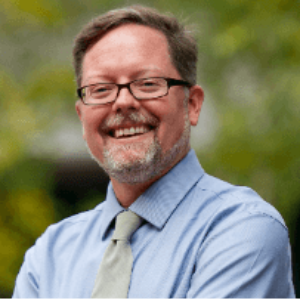
Thomas J Webster
Brown University, United States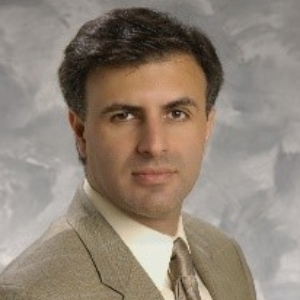
Babak Faramarzi
Western University of Health Sciences, United States
Julia Sidorova
Instituto Carlos III de Salud (CIBER-EHD), Spain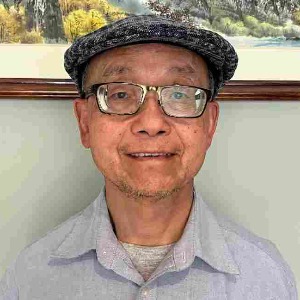
Zuchang Pei
Independent Researcher, Canada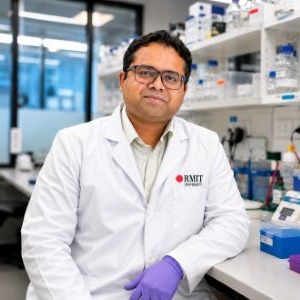
Md Monir Hossain
RMIT University, Australia
Santosh Kumar Mishra
S.N.D.T. Women's University (Retired), India
Koustav Sarkar
SRM Institute of Science and Technology, IndiaSubmit your abstract Today


Title : Why do 90% of the drugs fail in development? An analysis of 82+ submissions; and a case study of immunotherapy
Narendra Chirmule, Indian Institute of Technology (IIT), India
Title : Eliminating implant failure in humans with nano chemistry: 45,000 cases and counting
Thomas J Webster, Brown University, United States
Title : Evaluating cell compatibility and subcutaneous host response of silk fibroin–chitosan plug composites as potential resorbable implants
Luis Jesus Villarreal Gomez, Universidad Autonoma de Baja California, Mexico
Title : Steps and strides: Cross-species insights into movement and injury
Babak Faramarzi, Western University of Health Sciences, United States
Title : Ancient wisdom, modern science: Biotech services transforming ayurveda
Prashant Sakharam Bhokardankar, Datta Meghe Ayurvedic Medical College Hospital and Research Centre, India
Title : Scientist’s computational lawyer
Julia Sidorova, Instituto Carlos III de Salud (CIBER-EHD), Spain