
6th Edition of Euro-Global Conference on Biotechnology and Bioengineering
September 28-30 | Hybrid Event

Forest Biotechnology
Forest biotechnology involves the application of various biological techniques and genetic engineering principles to enhance the management and productivity of forest ecosystems. This interdisciplinary field leverages advancements in genetics, genomics, and molecular biology to address challenges related to forest health, conservation, and sustainable resource utilization. Researchers in forest biotechnology aim to develop and deploy innovative strategies for tree breeding, disease resistance, and environmental adaptation. This may include the modification of specific traits in trees to improve their resistance to pests, diseases, or adverse environmental conditions. Additionally, forest biotechnology plays a crucial role in the development of genetically improved tree varieties, contributing to reforestation efforts and the production of wood, biomass, and other forest products. While the field raises ethical and environmental considerations, its potential benefits in terms of conservation, biodiversity, and ecosystem resilience make it an area of ongoing research and development.
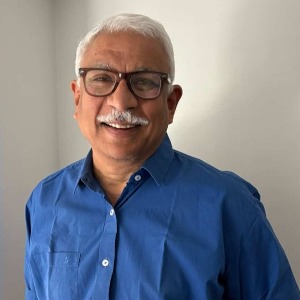
Narendra Chirmule
Indian Institute of Technology (IIT), India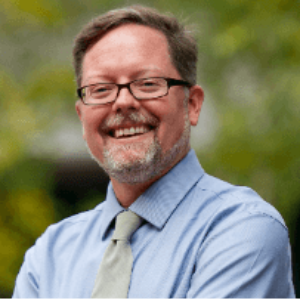
Thomas J Webster
Brown University, United States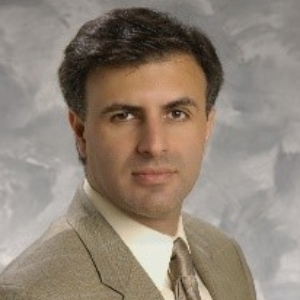
Babak Faramarzi
Western University of Health Sciences, United States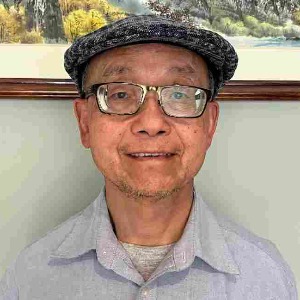
Zuchang Pei
Independent Researcher, Canada
Md Monir Hossain
RMIT University, Australia
K R Aneja
Kurukshetra University, India
Santosh Kumar Mishra
S.N.D.T. Women's University (Retired), IndiaSubmit your abstract Today


Title : Why do 90% of the drugs fail in development? An analysis of 82+ submissions; and a case study of immunotherapy
Narendra Chirmule, Indian Institute of Technology (IIT), India
Title : Eliminating implant failure in humans with nano chemistry: 45,000 cases and counting
Thomas J Webster, Brown University, United States
Title : Evaluating cell compatibility and subcutaneous host response of silk fibroin–chitosan plug composites as potential resorbable implants
Luis Jesus Villarreal Gomez, Universidad Autonoma de Baja California, Mexico
Title : Steps and strides: Cross-species insights into movement and injury
Babak Faramarzi, Western University of Health Sciences, United States
Title : Ancient wisdom, modern science: Biotech services transforming ayurveda
Prashant Sakharam Bhokardankar, Datta Meghe Ayurvedic Medical College Hospital and Research Centre, India
Title : Scientist’s computational lawyer
Julia Sidorova, Instituto Carlos III de Salud (CIBER-EHD), Spain