6th Edition of Euro-Global Conference on Biotechnology and Bioengineering
September 28-30 | Hybrid Event

Genome Sequencing in Biotechnology
Genome sequencing in biotechnology, involves the comprehensive analysis of an organism's DNA to unravel its complete genetic makeup. This powerful molecular biology technique has revolutionized the field by allowing scientists to decode the order of nucleotides in DNA, providing valuable insights into the structure and function of genes. The process begins with DNA extraction, followed by fragmentation and sequencing using advanced technologies like Next-Generation Sequencing (NGS). Genome sequencing has widespread applications, from understanding the genetic basis of diseases to the development of genetically modified organisms and personalized medicine. It has played a crucial role in advancing biotechnological research, fostering breakthroughs in agriculture, medicine, and environmental science. As technology continues to evolve, genome sequencing remains at the forefront of biotechnological innovations, opening new avenues for exploration and discovery in the intricate realm of genetic information.
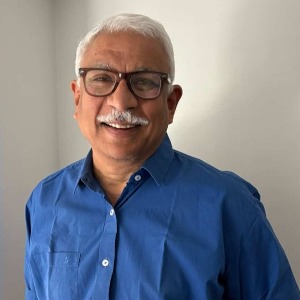
Narendra Chirmule
Indian Institute of Technology (IIT), India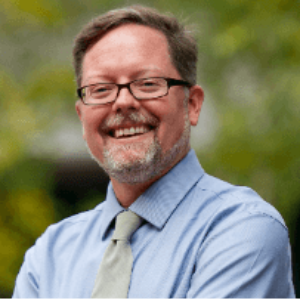
Thomas J Webster
Brown University, United States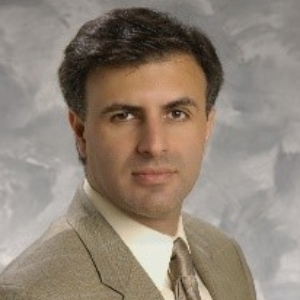
Babak Faramarzi
Western University of Health Sciences, United States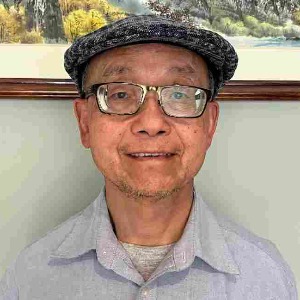
Zuchang Pei
Independent Researcher, Canada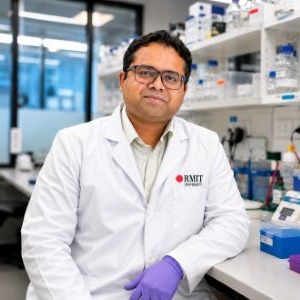
Md Monir Hossain
RMIT University, Australia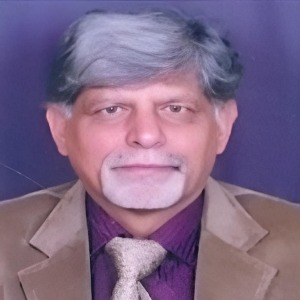
K R Aneja
Kurukshetra University, India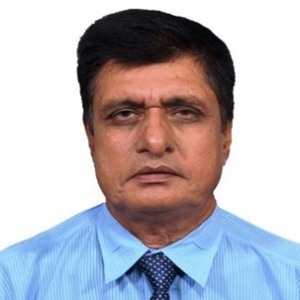
Santosh Kumar Mishra
S.N.D.T. Women's University (Retired), IndiaSubmit your abstract Today


Title : Why do 90% of the drugs fail in development? An analysis of 82+ submissions; and a case study of immunotherapy
Narendra Chirmule, Indian Institute of Technology (IIT), India
Title : Eliminating implant failure in humans with nano chemistry: 45,000 cases and counting
Thomas J Webster, Brown University, United States
Title : Evaluating cell compatibility and subcutaneous host response of silk fibroin–chitosan plug composites as potential resorbable implants
Luis Jesus Villarreal Gomez, Universidad Autonoma de Baja California, Mexico
Title : Steps and strides: Cross-species insights into movement and injury
Babak Faramarzi, Western University of Health Sciences, United States
Title : Ancient wisdom, modern science: Biotech services transforming ayurveda
Prashant Sakharam Bhokardankar, Datta Meghe Ayurvedic Medical College Hospital and Research Centre, India
Title : Scientist’s computational lawyer
Julia Sidorova, Instituto Carlos III de Salud (CIBER-EHD), Spain