6th Edition of Euro-Global Conference on Biotechnology and Bioengineering
September 28-30 | Hybrid Event

Microbiology
Microbiology, the study of microscopic organisms, encompasses a vast and diverse field of research with profound implications for various scientific disciplines and practical applications. From bacteria and viruses to fungi and protozoa, microbiology explores the structure, function, and behavior of these microorganisms, shedding light on their roles in health, disease, ecology, and biotechnology. Through microscopy, molecular techniques, and bioinformatics, microbiologists uncover the intricate interactions between microorganisms and their environments, unraveling complex microbial communities and ecosystems. Understanding microbial physiology and genetics enables the development of novel antimicrobial agents, vaccines, and diagnostic tools, crucial for combating infectious diseases and safeguarding public health. Microbial biotechnology harnesses the metabolic capabilities of microorganisms for the production of enzymes, biofuels, pharmaceuticals, and other bioproducts, contributing to sustainable solutions for food, energy, and environmental challenges. Microbial ecology investigates the ecological roles of microorganisms in diverse habitats, from soil and water ecosystems to the human microbiome, shaping ecosystems and influencing global nutrient cycles. Furthermore, microbiology intersects with fields such as agriculture, food safety, veterinary medicine, and industrial processes, driving innovation and addressing emerging threats. As our understanding of microbiology deepens, propelled by advances in technology and interdisciplinary collaborations, the potential for microbiological discoveries to shape our world continues to expand, offering new insights and opportunities for scientific exploration and societal impact.
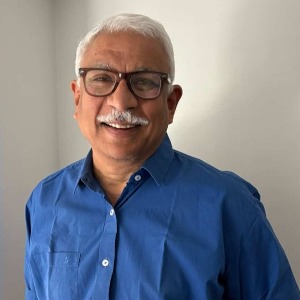
Narendra Chirmule
Indian Institute of Technology (IIT), India
Thomas J Webster
Brown University, United States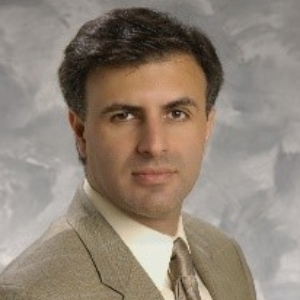
Babak Faramarzi
Western University of Health Sciences, United States
Zuchang Pei
Independent Researcher, Canada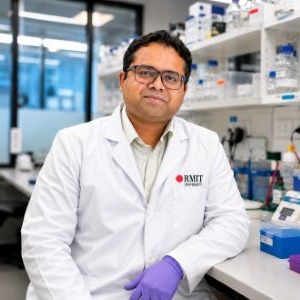
Md Monir Hossain
RMIT University, Australia
K R Aneja
Kurukshetra University, India
Santosh Kumar Mishra
S.N.D.T. Women's University (Retired), IndiaSubmit your abstract Today


Title : Why do 90% of the drugs fail in development? An analysis of 82+ submissions; and a case study of immunotherapy
Narendra Chirmule, Indian Institute of Technology (IIT), India
Title : Eliminating implant failure in humans with nano chemistry: 45,000 cases and counting
Thomas J Webster, Brown University, United States
Title : Evaluating cell compatibility and subcutaneous host response of silk fibroin–chitosan plug composites as potential resorbable implants
Luis Jesus Villarreal Gomez, Universidad Autonoma de Baja California, Mexico
Title : Steps and strides: Cross-species insights into movement and injury
Babak Faramarzi, Western University of Health Sciences, United States
Title : Ancient wisdom, modern science: Biotech services transforming ayurveda
Prashant Sakharam Bhokardankar, Datta Meghe Ayurvedic Medical College Hospital and Research Centre, India
Title : Scientist’s computational lawyer
Julia Sidorova, Instituto Carlos III de Salud (CIBER-EHD), Spain