6th Edition of Euro-Global Conference on Biotechnology and Bioengineering
September 28-30 | Hybrid Event

Molecular Biotechnology
Molecular biotechnology represents a dynamic and interdisciplinary field at the intersection of molecular biology and technology, aimed at manipulating and exploiting biological systems at the molecular level. This scientific discipline encompasses a wide range of techniques and applications that leverage the understanding of cellular and molecular processes. Researchers in molecular biotechnology employ genetic engineering, recombinant DNA technology, and various molecular tools to modify, analyze, and produce biological molecules with specific functions. These applications have transformative implications across diverse sectors, including medicine, agriculture, and industry. In the realm of medicine, molecular biotechnology contributes to the development of innovative therapies, personalized medicine, and the production of biopharmaceuticals. In agriculture, it plays a role in creating genetically modified organisms (GMOs) with improved traits such as pest resistance or enhanced nutritional content. Moreover, in industrial settings, molecular biotechnology is instrumental in the large-scale production of biofuels, enzymes, and other bio-based products. The ongoing advancements in molecular biotechnology continue to drive breakthroughs that redefine our understanding of living organisms and open new possibilities for addressing global challenges.
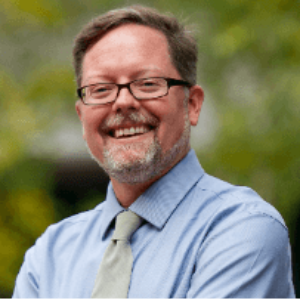
Thomas J Webster
Brown University, United States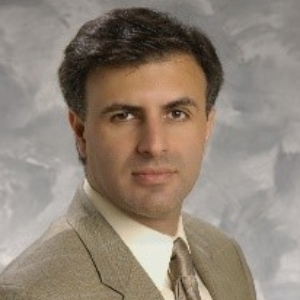
Babak Faramarzi
Western University of Health Sciences, United States
Julia Sidorova
Instituto Carlos III de Salud (CIBER-EHD), Spain
Zuchang Pei
Independent Researcher, Canada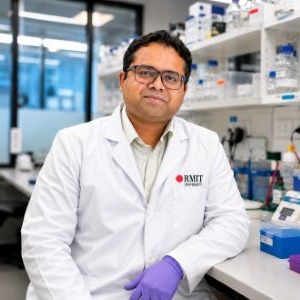
Md Monir Hossain
RMIT University, Australia
Santosh Kumar Mishra
S.N.D.T. Women's University (Retired), India
Koustav Sarkar
SRM Institute of Science and Technology, IndiaSubmit your abstract Today


Title : Why do 90% of the drugs fail in development? An analysis of 82+ submissions; and a case study of immunotherapy
Narendra Chirmule, Indian Institute of Technology (IIT), India
Title : Eliminating implant failure in humans with nano chemistry: 45,000 cases and counting
Thomas J Webster, Brown University, United States
Title : Evaluating cell compatibility and subcutaneous host response of silk fibroin–chitosan plug composites as potential resorbable implants
Luis Jesus Villarreal Gomez, Universidad Autonoma de Baja California, Mexico
Title : Steps and strides: Cross-species insights into movement and injury
Babak Faramarzi, Western University of Health Sciences, United States
Title : Ancient wisdom, modern science: Biotech services transforming ayurveda
Prashant Sakharam Bhokardankar, Datta Meghe Ayurvedic Medical College Hospital and Research Centre, India
Title : Scientist’s computational lawyer
Julia Sidorova, Instituto Carlos III de Salud (CIBER-EHD), Spain