
6th Edition of Euro-Global Conference on Biotechnology and Bioengineering
September 28-30 | Hybrid Event

Biochemical Engineers
Biochemical Engineers combine principles of chemical engineering with biology to develop processes that use living organisms or biological systems to produce products in a sustainable and efficient manner. They design and optimize industrial processes for the large-scale production of pharmaceuticals, biofuels, food, and chemicals, utilizing microorganisms, enzymes, and cell cultures. By applying engineering techniques to biological processes, biochemical engineers aim to improve production efficiency, reduce costs, and minimize environmental impact. Their work plays a crucial role in advancing biomanufacturing, ensuring the scalable and safe production of life-saving medications and environmentally friendly energy solutions. Biochemical engineers also focus on bioprocess optimization, including fermentation processes, enzyme catalysis, and genetic engineering techniques to enhance product yield and quality.
In Pharmaceuticals and biofuels, biochemical engineers are increasingly involved in environmental biotechnology, where they design systems to treat waste, clean up pollutants, and reduce industrial emissions. They contribute to sustainable practices by developing green technologies that utilize renewable resources and minimize waste. Their expertise also extends to the development of innovative drug delivery systems, enhancing the efficacy of treatments and reducing side effects. Biochemical engineers are at the forefront of innovations in the development of biosensors, gene therapy, and bioremediation techniques, which are revolutionizing industries ranging from healthcare to environmental protection.
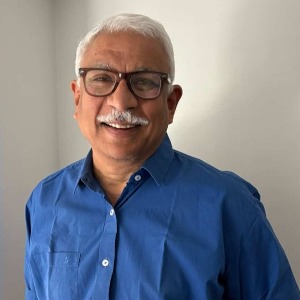
Narendra Chirmule
Indian Institute of Technology (IIT), India
Thomas J Webster
Brown University, United States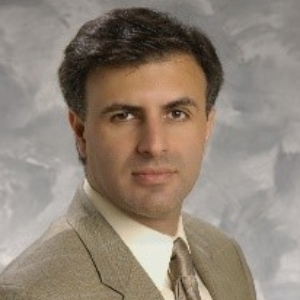
Babak Faramarzi
Western University of Health Sciences, United States
Zuchang Pei
Independent Researcher, Canada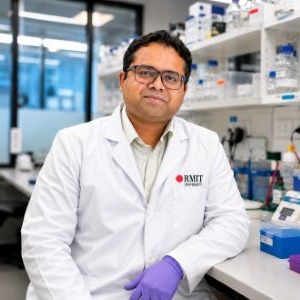
Md Monir Hossain
RMIT University, Australia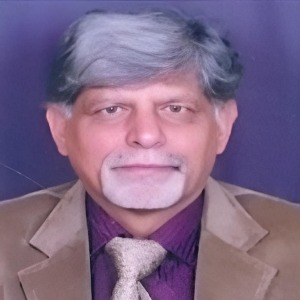
K R Aneja
Kurukshetra University, India
Santosh Kumar Mishra
S.N.D.T. Women's University (Retired), IndiaSubmit your abstract Today


Title : Why do 90% of the drugs fail in development? An analysis of 82+ submissions; and a case study of immunotherapy
Narendra Chirmule, Indian Institute of Technology (IIT), India
Title : Eliminating implant failure in humans with nano chemistry: 45,000 cases and counting
Thomas J Webster, Brown University, United States
Title : Evaluating cell compatibility and subcutaneous host response of silk fibroin–chitosan plug composites as potential resorbable implants
Luis Jesus Villarreal Gomez, Universidad Autonoma de Baja California, Mexico
Title : Steps and strides: Cross-species insights into movement and injury
Babak Faramarzi, Western University of Health Sciences, United States
Title : Ancient wisdom, modern science: Biotech services transforming ayurveda
Prashant Sakharam Bhokardankar, Datta Meghe Ayurvedic Medical College Hospital and Research Centre, India
Title : Scientist’s computational lawyer
Julia Sidorova, Instituto Carlos III de Salud (CIBER-EHD), Spain