6th Edition of Euro-Global Conference on Biotechnology and Bioengineering
September 28-30 | Hybrid Event
Biomining
Biomining is an innovative and sustainable approach to extract valuable metals from ores using biological processes. Unlike traditional mining methods that rely heavily on chemical and mechanical means, biomining harnesses the power of microorganisms such as bacteria and archaea to facilitate metal extraction. These microorganisms play a crucial role in the natural process of bioleaching, where they break down minerals and release metals through metabolic activities. Biomining offers several environmental advantages, including reduced energy consumption, minimal ecological disturbance, and lower emissions of harmful pollutants. Additionally, biomining can be applied to extract metals from low-grade ores that are economically unviable with conventional mining techniques. As industries increasingly prioritize eco-friendly practices, biomining emerges as a promising solution for the extraction of metals essential for various technological applications, aligning with the principles of sustainable and responsible resource management.
Narendra Chirmule
Indian Institute of Technology (IIT), India
Thomas J Webster
Brown University, United States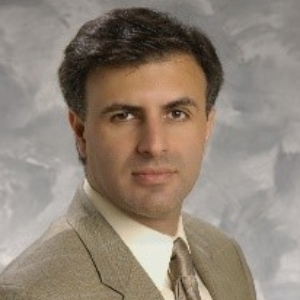
Babak Faramarzi
Western University of Health Sciences, United States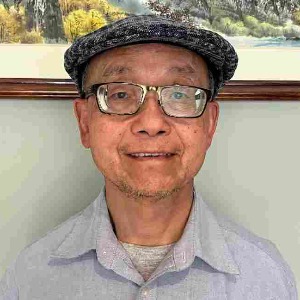
Zuchang Pei
Independent Researcher, Canada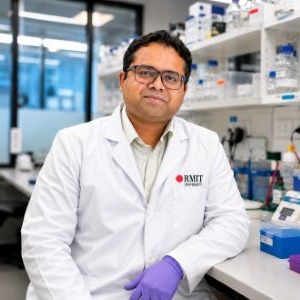
Md Monir Hossain
RMIT University, Australia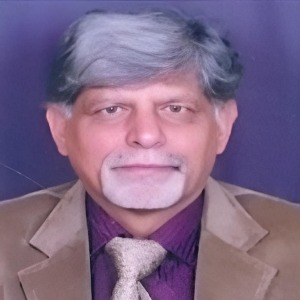
K R Aneja
Kurukshetra University, India
Santosh Kumar Mishra
S.N.D.T. Women's University (Retired), IndiaSubmit your abstract Today


Title : Why do 90% of the drugs fail in development? An analysis of 82+ submissions; and a case study of immunotherapy
Narendra Chirmule, Indian Institute of Technology (IIT), India
Title : Eliminating implant failure in humans with nano chemistry: 45,000 cases and counting
Thomas J Webster, Brown University, United States
Title : Evaluating cell compatibility and subcutaneous host response of silk fibroin–chitosan plug composites as potential resorbable implants
Luis Jesus Villarreal Gomez, Universidad Autonoma de Baja California, Mexico
Title : Steps and strides: Cross-species insights into movement and injury
Babak Faramarzi, Western University of Health Sciences, United States
Title : Ancient wisdom, modern science: Biotech services transforming ayurveda
Prashant Sakharam Bhokardankar, Datta Meghe Ayurvedic Medical College Hospital and Research Centre, India
Title : Scientist’s computational lawyer
Julia Sidorova, Instituto Carlos III de Salud (CIBER-EHD), Spain