
6th Edition of Euro-Global Conference on Biotechnology and Bioengineering
September 28-30 | Hybrid Event

Biosafety and Biosecurity
Biosafety and Biosecurity are critical components of modern scientific research and healthcare systems, aimed at safeguarding human health, the environment, and society as a whole. Biosafety refers to the measures and protocols put in place to prevent unintentional exposure to harmful biological agents, such as viruses, bacteria, and toxins, in laboratory settings. This includes implementing proper containment procedures, using appropriate personal protective equipment, and following stringent disinfection and waste management protocols. On the other hand, biosecurity involves measures to prevent the deliberate misuse or theft of biological materials or information that could be used to cause harm. This encompasses strategies to secure biological agents, facilities, and sensitive information from unauthorized access or malicious intent. Biosecurity measures may include physical barriers, access controls, surveillance systems, and personnel screening procedures. Both biosafety and biosecurity play crucial roles in preventing accidents, outbreaks, and intentional harm stemming from biological agents. They are particularly important in high-containment laboratories working with dangerous pathogens, where the risk of accidental release or deliberate misuse is heightened. By adhering to strict biosafety and biosecurity protocols, researchers and healthcare professionals can minimize risks to themselves, their colleagues, and the broader community. Moreover, international organizations and regulatory bodies provide guidelines and standards to ensure uniformity and effectiveness in biosafety and biosecurity practices across different countries and institutions. Collaboration and information-sharing among scientists, policymakers, and security experts are essential for continuously improving and adapting biosafety and biosecurity measures to emerging threats and technological advancements.

Narendra Chirmule
Indian Institute of Technology (IIT), India
Thomas J Webster
Brown University, United States
Babak Faramarzi
Western University of Health Sciences, United States
Zuchang Pei
Independent Researcher, Canada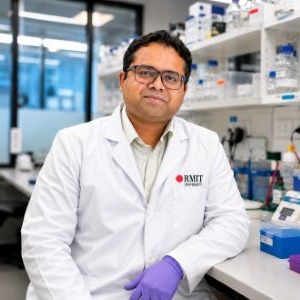
Md Monir Hossain
RMIT University, Australia
K R Aneja
Kurukshetra University, India
Santosh Kumar Mishra
S.N.D.T. Women's University (Retired), IndiaSubmit your abstract Today


Title : Why do 90% of the drugs fail in development? An analysis of 82+ submissions; and a case study of immunotherapy
Narendra Chirmule, Indian Institute of Technology (IIT), India
Title : Eliminating implant failure in humans with nano chemistry: 45,000 cases and counting
Thomas J Webster, Brown University, United States
Title : Evaluating cell compatibility and subcutaneous host response of silk fibroin–chitosan plug composites as potential resorbable implants
Luis Jesus Villarreal Gomez, Universidad Autonoma de Baja California, Mexico
Title : Steps and strides: Cross-species insights into movement and injury
Babak Faramarzi, Western University of Health Sciences, United States
Title : Ancient wisdom, modern science: Biotech services transforming ayurveda
Prashant Sakharam Bhokardankar, Datta Meghe Ayurvedic Medical College Hospital and Research Centre, India
Title : Scientist’s computational lawyer
Julia Sidorova, Instituto Carlos III de Salud (CIBER-EHD), Spain