
6th Edition of Euro-Global Conference on Biotechnology and Bioengineering
September 28-30 | Hybrid Event

Clinical Biotechnologists
Clinical Biotechnologists apply advanced biotechnological methods and techniques in a healthcare setting to diagnose, treat, and prevent diseases. They work with biological samples like blood, tissues, and fluids to develop diagnostic tools that identify pathogens, genetic disorders, and biomarkers associated with various diseases. By utilizing cutting-edge technologies such as PCR (Polymerase Chain Reaction), gene sequencing, and biomarker detection, clinical biotechnologists contribute to early disease detection, accurate diagnosis, and personalized treatment plans. They are essential in advancing the field of molecular diagnostics, enabling healthcare professionals to make informed decisions based on a patient’s genetic and molecular profile.
Clinical biotechnologists also play a vital role in the development of therapies, particularly in the realm of gene therapy, stem cell treatments, and regenerative medicine. They collaborate with medical professionals to translate scientific discoveries into clinical applications, helping to develop safer and more effective treatment options for patients. Their expertise is also valuable in optimizing the implementation of new biotechnologies in clinical settings, ensuring that they are accessible and effective for diverse patient populations. They are continually improving the tools and techniques used to treat complex diseases, ultimately enhancing patient outcomes and quality of life. By continually pushing the boundaries of science and medicine, clinical biotechnologists are helping to shape the future of healthcare.
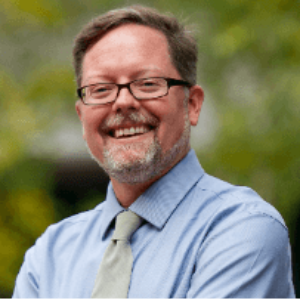
Thomas J Webster
Brown University, United States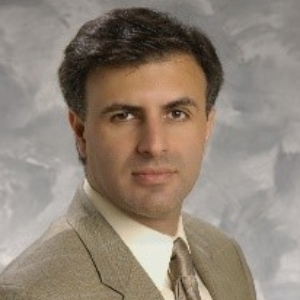
Babak Faramarzi
Western University of Health Sciences, United States
Julia Sidorova
Instituto Carlos III de Salud (CIBER-EHD), Spain
Zuchang Pei
Independent Researcher, Canada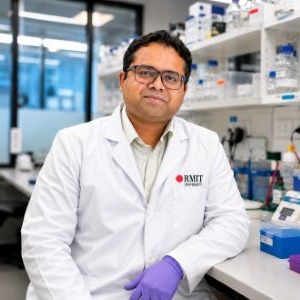
Md Monir Hossain
RMIT University, Australia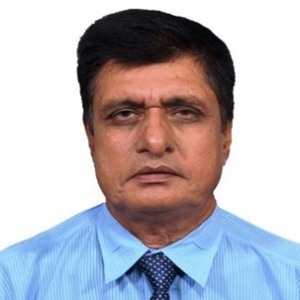
Santosh Kumar Mishra
S.N.D.T. Women's University (Retired), India
Koustav Sarkar
SRM Institute of Science and Technology, IndiaSubmit your abstract Today


Title : Why do 90% of the drugs fail in development? An analysis of 82+ submissions; and a case study of immunotherapy
Narendra Chirmule, Indian Institute of Technology (IIT), India
Title : Eliminating implant failure in humans with nano chemistry: 45,000 cases and counting
Thomas J Webster, Brown University, United States
Title : Evaluating cell compatibility and subcutaneous host response of silk fibroin–chitosan plug composites as potential resorbable implants
Luis Jesus Villarreal Gomez, Universidad Autonoma de Baja California, Mexico
Title : Steps and strides: Cross-species insights into movement and injury
Babak Faramarzi, Western University of Health Sciences, United States
Title : Ancient wisdom, modern science: Biotech services transforming ayurveda
Prashant Sakharam Bhokardankar, Datta Meghe Ayurvedic Medical College Hospital and Research Centre, India
Title : Scientist’s computational lawyer
Julia Sidorova, Instituto Carlos III de Salud (CIBER-EHD), Spain