6th Edition of Euro-Global Conference on Biotechnology and Bioengineering
September 28-30 | Hybrid Event

Computational Biologists
Computational Biologists utilize advanced mathematical models, algorithms, and computational tools to analyze and interpret biological data, helping to bridge the gap between biology and technology. They process vast amounts of data, such as genomic sequences, protein structures, and metabolic pathways, to uncover patterns that reveal insights into biological processes. This work is essential in areas like personalized medicine, where computational biologists contribute to identifying genetic factors that influence disease risk and treatment response. By developing models and simulations, they predict how biological systems will behave under various conditions, offering a deeper understanding of disease mechanisms, cellular interactions, and the genetic underpinnings of health. Beyond medical research, computational biologists are instrumental in other fields such as agriculture, ecology, and environmental science. They analyze genetic data to improve crop resilience, optimize livestock breeding, and develop sustainable agricultural practices. In ecology, they model ecosystems to predict how environmental changes, such as climate change or habitat loss, will affect biodiversity. Their computational expertise also aids in the design of bio-based products, including biofuels, by analyzing the genetic and metabolic pathways of microorganisms. Through their work, computational biologists are pushing the boundaries of how biological data can be used to solve real-world problems, driving innovations across medicine, agriculture, and environmental sustainability.
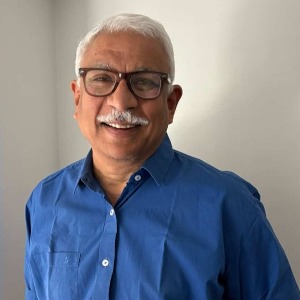
Narendra Chirmule
Indian Institute of Technology (IIT), India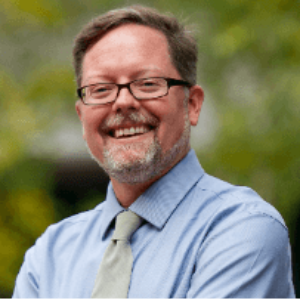
Thomas J Webster
Brown University, United States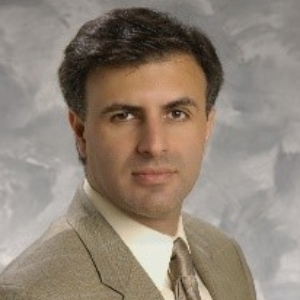
Babak Faramarzi
Western University of Health Sciences, United States
Zuchang Pei
Independent Researcher, Canada
Md Monir Hossain
RMIT University, Australia
K R Aneja
Kurukshetra University, India
Santosh Kumar Mishra
S.N.D.T. Women's University (Retired), IndiaSubmit your abstract Today


Title : Why do 90% of the drugs fail in development? An analysis of 82+ submissions; and a case study of immunotherapy
Narendra Chirmule, Indian Institute of Technology (IIT), India
Title : Eliminating implant failure in humans with nano chemistry: 45,000 cases and counting
Thomas J Webster, Brown University, United States
Title : Evaluating cell compatibility and subcutaneous host response of silk fibroin–chitosan plug composites as potential resorbable implants
Luis Jesus Villarreal Gomez, Universidad Autonoma de Baja California, Mexico
Title : Steps and strides: Cross-species insights into movement and injury
Babak Faramarzi, Western University of Health Sciences, United States
Title : Ancient wisdom, modern science: Biotech services transforming ayurveda
Prashant Sakharam Bhokardankar, Datta Meghe Ayurvedic Medical College Hospital and Research Centre, India
Title : Scientist’s computational lawyer
Julia Sidorova, Instituto Carlos III de Salud (CIBER-EHD), Spain