6th Edition of Euro-Global Conference on Biotechnology and Bioengineering
September 28-30 | Hybrid Event

Drug Delivery Science and Technology
Drug Delivery Science and Technology represent the nexus of pharmaceuticals and innovative delivery mechanisms, aiming to optimize therapeutic efficacy while minimizing adverse effects. It encompasses a broad spectrum of disciplines, including pharmacology, chemistry, material science, and engineering. The primary goal is to design delivery systems capable of precisely controlling drug release kinetics, targeting specific sites within the body, and enhancing drug stability. Nanotechnology plays a pivotal role, facilitating the development of nanocarriers such as liposomes, nanoparticles, and micelles, which can encapsulate drugs and navigate biological barriers. Moreover, advances in biomaterials enable the fabrication of smart drug delivery platforms responsive to physiological cues, allowing for on-demand drug release. Molecular engineering techniques permit the customization of drug carriers for enhanced biocompatibility and tissue-specific targeting. Controlled-release formulations, such as transdermal patches and implantable devices, offer sustained drug release over extended periods, improving patient compliance and therapeutic outcomes. Biodegradable polymers provide a platform for the development of implantable drug depots, gradually releasing therapeutic agents over time and obviating the need for frequent dosing. Additionally, advancements in microfluidics enable the precise manipulation of small volumes of fluids, facilitating the development of microscale drug delivery systems with high throughput and reproducibility.
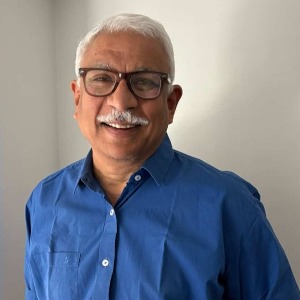
Narendra Chirmule
Indian Institute of Technology (IIT), India
Thomas J Webster
Brown University, United States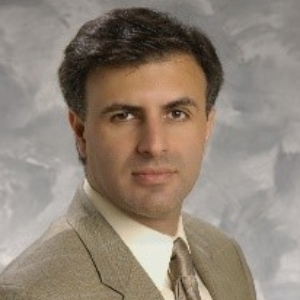
Babak Faramarzi
Western University of Health Sciences, United States
Zuchang Pei
Independent Researcher, Canada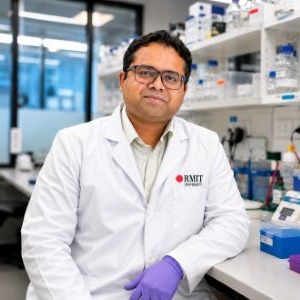
Md Monir Hossain
RMIT University, Australia
K R Aneja
Kurukshetra University, India
Santosh Kumar Mishra
S.N.D.T. Women's University (Retired), IndiaSubmit your abstract Today


Title : Why do 90% of the drugs fail in development? An analysis of 82+ submissions; and a case study of immunotherapy
Narendra Chirmule, Indian Institute of Technology (IIT), India
Title : Eliminating implant failure in humans with nano chemistry: 45,000 cases and counting
Thomas J Webster, Brown University, United States
Title : Evaluating cell compatibility and subcutaneous host response of silk fibroin–chitosan plug composites as potential resorbable implants
Luis Jesus Villarreal Gomez, Universidad Autonoma de Baja California, Mexico
Title : Steps and strides: Cross-species insights into movement and injury
Babak Faramarzi, Western University of Health Sciences, United States
Title : Ancient wisdom, modern science: Biotech services transforming ayurveda
Prashant Sakharam Bhokardankar, Datta Meghe Ayurvedic Medical College Hospital and Research Centre, India
Title : Scientist’s computational lawyer
Julia Sidorova, Instituto Carlos III de Salud (CIBER-EHD), Spain