6th Edition of Euro-Global Conference on Biotechnology and Bioengineering
September 28-30 | Hybrid Event

Drug Development
Drug Development is a multifaceted process that encompasses various stages from discovery to market approval. It begins with the identification of a potential drug target, often a specific molecule or biological pathway implicated in a disease. This target is then screened against libraries of compounds to find molecules that can interact with it. Once a promising candidate is identified, it undergoes preclinical testing in laboratory and animal models to assess safety, efficacy, and pharmacokinetics. If successful, the candidate advances to clinical trials, which are conducted in three phases involving human subjects. Phase I trials primarily focus on safety and dosage, while Phase II trials evaluate efficacy and further assess safety in a larger group of patients. Phase III trials involve a larger population to confirm efficacy, monitor side effects, and compare the drug to existing treatments or a placebo. Regulatory agencies review the data from these trials to determine whether the drug is safe and effective for its intended use. If approved, the drug can be marketed and sold to patients. However, the drug development process is lengthy, costly, and fraught with challenges. Many candidates fail to demonstrate efficacy or safety during clinical trials, leading to significant financial losses for pharmaceutical companies. Additionally, regulatory requirements and ethical considerations impose strict guidelines on drug testing, adding to the complexity and duration of the process. Advancements in technology, such as high-throughput screening and computational modeling, have expedited the drug discovery process by facilitating the identification of potential candidates.
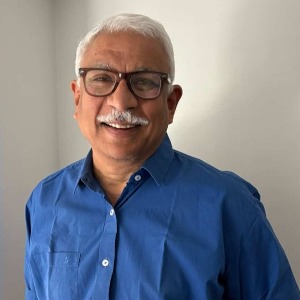
Narendra Chirmule
Indian Institute of Technology (IIT), India
Thomas J Webster
Brown University, United States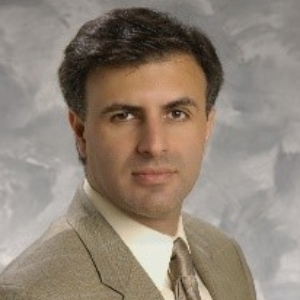
Babak Faramarzi
Western University of Health Sciences, United States
Zuchang Pei
Independent Researcher, Canada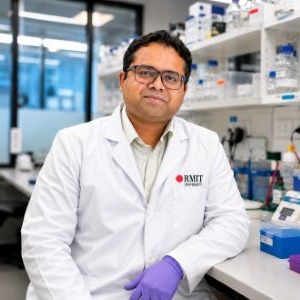
Md Monir Hossain
RMIT University, Australia
K R Aneja
Kurukshetra University, India
Santosh Kumar Mishra
S.N.D.T. Women's University (Retired), IndiaSubmit your abstract Today


Title : Why do 90% of the drugs fail in development? An analysis of 82+ submissions; and a case study of immunotherapy
Narendra Chirmule, Indian Institute of Technology (IIT), India
Title : Eliminating implant failure in humans with nano chemistry: 45,000 cases and counting
Thomas J Webster, Brown University, United States
Title : Evaluating cell compatibility and subcutaneous host response of silk fibroin–chitosan plug composites as potential resorbable implants
Luis Jesus Villarreal Gomez, Universidad Autonoma de Baja California, Mexico
Title : Steps and strides: Cross-species insights into movement and injury
Babak Faramarzi, Western University of Health Sciences, United States
Title : Ancient wisdom, modern science: Biotech services transforming ayurveda
Prashant Sakharam Bhokardankar, Datta Meghe Ayurvedic Medical College Hospital and Research Centre, India
Title : Scientist’s computational lawyer
Julia Sidorova, Instituto Carlos III de Salud (CIBER-EHD), Spain