6th Edition of Euro-Global Conference on Biotechnology and Bioengineering
September 28-30 | Hybrid Event
Drug Discovery
Drug Discovery is a multifaceted process involving the identification, development, and optimization of compounds to treat diseases effectively. At its core, drug discovery aims to address unmet medical needs by targeting specific biological pathways or molecular targets associated with diseases. This process typically begins with target identification, where researchers pinpoint key molecules or proteins involved in the disease process. Following target identification, screening methods such as high-throughput screening or virtual screening are employed to identify potential drug candidates from large compound libraries. Once promising compounds are identified, they undergo rigorous testing in preclinical studies to assess their safety, efficacy, and pharmacokinetic properties. Preclinical studies involve in vitro and in vivo experiments to evaluate the compound's therapeutic potential and potential adverse effects. Promising candidates then advance to clinical trials, where they are tested in human subjects to assess their safety and efficacy in treating the target disease. Clinical trials are conducted in multiple phases, each designed to gather specific data on the drug's safety and effectiveness. Phase I trials focus on determining the drug's safety profile and appropriate dosage levels in healthy volunteers, while Phase II and Phase III trials involve testing the drug's efficacy and safety in patients with the target disease.
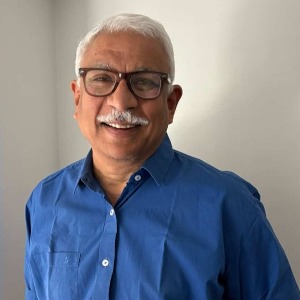
Narendra Chirmule
Indian Institute of Technology (IIT), India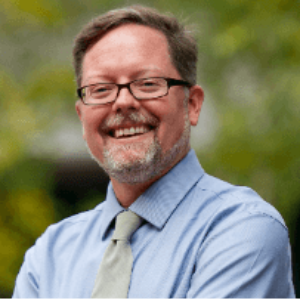
Thomas J Webster
Brown University, United States
Babak Faramarzi
Western University of Health Sciences, United States
Zuchang Pei
Independent Researcher, Canada
Md Monir Hossain
RMIT University, Australia
K R Aneja
Kurukshetra University, India
Santosh Kumar Mishra
S.N.D.T. Women's University (Retired), IndiaSubmit your abstract Today


Title : Why do 90% of the drugs fail in development? An analysis of 82+ submissions; and a case study of immunotherapy
Narendra Chirmule, Indian Institute of Technology (IIT), India
Title : Eliminating implant failure in humans with nano chemistry: 45,000 cases and counting
Thomas J Webster, Brown University, United States
Title : Evaluating cell compatibility and subcutaneous host response of silk fibroin–chitosan plug composites as potential resorbable implants
Luis Jesus Villarreal Gomez, Universidad Autonoma de Baja California, Mexico
Title : Steps and strides: Cross-species insights into movement and injury
Babak Faramarzi, Western University of Health Sciences, United States
Title : Ancient wisdom, modern science: Biotech services transforming ayurveda
Prashant Sakharam Bhokardankar, Datta Meghe Ayurvedic Medical College Hospital and Research Centre, India
Title : Scientist’s computational lawyer
Julia Sidorova, Instituto Carlos III de Salud (CIBER-EHD), Spain