6th Edition of Euro-Global Conference on Biotechnology and Bioengineering
September 28-30 | Hybrid Event
Drug Metabolism
Drug Metabolism refers to the biochemical processes by which a drug is transformed within the body. This intricate process primarily occurs in the liver and involves a series of enzymatic reactions aimed at converting drugs into metabolites that can be easily excreted from the body. The primary goal of drug metabolism is to facilitate the elimination of drugs from the system while often making them more water-soluble for efficient excretion through urine or bile. The process of drug metabolism can be broadly categorized into two phases: Phase I and Phase II metabolism. Phase I metabolism typically involves oxidation, reduction, or hydrolysis reactions, mediated mainly by enzymes such as cytochrome P450 (CYP) enzymes. These reactions often introduce or expose functional groups on the drug molecule, rendering it more amenable to subsequent modification. Following Phase I metabolism, Phase II reactions involve the conjugation of the drug or its metabolites with endogenous molecules such as glucuronic acid, sulfate, or amino acids. This conjugation process enhances the water solubility of the drug metabolites, facilitating their elimination via urine or bile. Enzymes such as UDP-glucuronosyltransferases (UGTs) and sulfotransferases are pivotal in Phase II metabolism. The interplay between Phase I and Phase II metabolism ensures efficient drug elimination while often producing metabolites with altered pharmacological activity. However, it's essential to note that drug metabolism can vary significantly among individuals due to genetic factors, environmental influences, and concurrent medications.
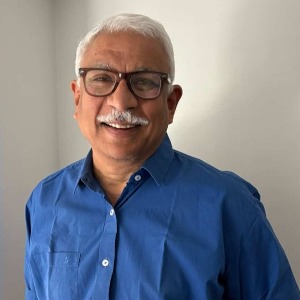
Narendra Chirmule
Indian Institute of Technology (IIT), India
Thomas J Webster
Brown University, United States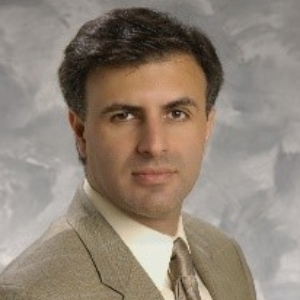
Babak Faramarzi
Western University of Health Sciences, United States
Zuchang Pei
Independent Researcher, Canada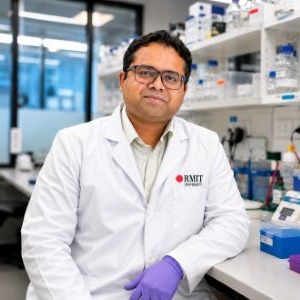
Md Monir Hossain
RMIT University, Australia
K R Aneja
Kurukshetra University, India
Santosh Kumar Mishra
S.N.D.T. Women's University (Retired), IndiaSubmit your abstract Today


Title : Why do 90% of the drugs fail in development? An analysis of 82+ submissions; and a case study of immunotherapy
Narendra Chirmule, Indian Institute of Technology (IIT), India
Title : Eliminating implant failure in humans with nano chemistry: 45,000 cases and counting
Thomas J Webster, Brown University, United States
Title : Evaluating cell compatibility and subcutaneous host response of silk fibroin–chitosan plug composites as potential resorbable implants
Luis Jesus Villarreal Gomez, Universidad Autonoma de Baja California, Mexico
Title : Steps and strides: Cross-species insights into movement and injury
Babak Faramarzi, Western University of Health Sciences, United States
Title : Ancient wisdom, modern science: Biotech services transforming ayurveda
Prashant Sakharam Bhokardankar, Datta Meghe Ayurvedic Medical College Hospital and Research Centre, India
Title : Scientist’s computational lawyer
Julia Sidorova, Instituto Carlos III de Salud (CIBER-EHD), Spain