
6th Edition of Euro-Global Conference on Biotechnology and Bioengineering
September 28-30 | Hybrid Event

Gene Therapy
Gene Therapy is a promising field in biotechnology aimed at treating genetic disorders by introducing therapeutic genes into a patient's cells. This cutting-edge approach holds the potential to revolutionize medicine by addressing the root causes of diseases at the genetic level. One of the key strategies in gene therapy involves the use of viral vectors to deliver therapeutic genes into target cells. These vectors are modified viruses that are rendered harmless but retain their ability to infect cells and deliver genetic material. Once inside the cell, the therapeutic gene can either replace a defective gene or supplement its function, restoring normal cellular activity. However, challenges such as immune responses to the viral vectors and the risk of unintended genetic changes must be carefully addressed. Gene therapy has shown remarkable success in treating certain genetic disorders, such as severe combined immunodeficiency (SCID), hemophilia, and certain types of inherited blindness. Ongoing research aims to expand the application of gene therapy to a broader range of diseases, including cancer, neurodegenerative disorders, and cardiovascular diseases. The development of more precise gene editing techniques, such as CRISPR-Cas9, holds great promise for enhancing the effectiveness and safety of gene therapy. Despite the immense potential, gene therapy still faces regulatory hurdles and ethical considerations, particularly regarding the long-term effects and accessibility of treatment. Nevertheless, ongoing advancements in gene therapy continue to drive progress towards safer, more effective treatments for a wide range of genetic diseases, offering hope for patients and clinicians alike.

Narendra Chirmule
Indian Institute of Technology (IIT), India
Thomas J Webster
Brown University, United States
Babak Faramarzi
Western University of Health Sciences, United States
Zuchang Pei
Independent Researcher, Canada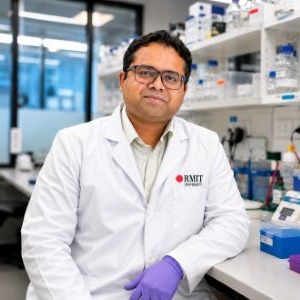
Md Monir Hossain
RMIT University, Australia
K R Aneja
Kurukshetra University, India
Santosh Kumar Mishra
S.N.D.T. Women's University (Retired), IndiaSubmit your abstract Today


Title : Why do 90% of the drugs fail in development? An analysis of 82+ submissions; and a case study of immunotherapy
Narendra Chirmule, Indian Institute of Technology (IIT), India
Title : Eliminating implant failure in humans with nano chemistry: 45,000 cases and counting
Thomas J Webster, Brown University, United States
Title : Evaluating cell compatibility and subcutaneous host response of silk fibroin–chitosan plug composites as potential resorbable implants
Luis Jesus Villarreal Gomez, Universidad Autonoma de Baja California, Mexico
Title : Steps and strides: Cross-species insights into movement and injury
Babak Faramarzi, Western University of Health Sciences, United States
Title : Ancient wisdom, modern science: Biotech services transforming ayurveda
Prashant Sakharam Bhokardankar, Datta Meghe Ayurvedic Medical College Hospital and Research Centre, India
Title : Scientist’s computational lawyer
Julia Sidorova, Instituto Carlos III de Salud (CIBER-EHD), Spain