6th Edition of Euro-Global Conference on Biotechnology and Bioengineering
September 28-30 | Hybrid Event

Next Generation Sequencing
Next Generation Sequencing (NGS) has revolutionized the field of genomics by enabling rapid and cost-effective sequencing of DNA and RNA molecules. This cutting-edge technology allows researchers to decode entire genomes, transcriptomes, and epigenomes with unprecedented speed and accuracy. Unlike traditional Sanger sequencing methods, NGS platforms simultaneously sequence millions of DNA fragments in parallel, significantly reducing time and cost. NGS has facilitated breakthroughs in diverse areas of biomedical research, including cancer genomics, personalized medicine, and infectious disease surveillance. By providing comprehensive insights into genetic variations, gene expression patterns, and regulatory mechanisms, NGS has paved the way for precision medicine initiatives and biomarker discovery. Moreover, NGS has fueled advancements in metagenomics, enabling the study of complex microbial communities and environmental samples. The scalability and flexibility of NGS platforms have democratized genomics research, empowering scientists worldwide to explore the intricacies of genetic information. Additionally, ongoing advancements in NGS technologies, such as single-cell sequencing and long-read sequencing, continue to expand the capabilities of genomics research, unlocking new dimensions of genomic complexity. As NGS technologies become more accessible and affordable, they hold immense promise for accelerating discoveries in basic and translational research, driving innovations in healthcare, agriculture, and beyond.

Narendra Chirmule
Indian Institute of Technology (IIT), India
Thomas J Webster
Brown University, United States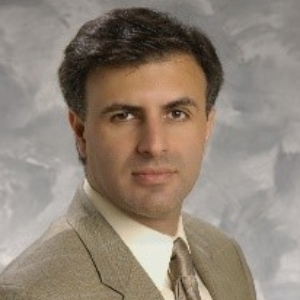
Babak Faramarzi
Western University of Health Sciences, United States
Zuchang Pei
Independent Researcher, Canada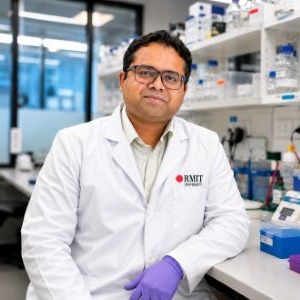
Md Monir Hossain
RMIT University, Australia
K R Aneja
Kurukshetra University, India
Santosh Kumar Mishra
S.N.D.T. Women's University (Retired), IndiaSubmit your abstract Today


Title : Why do 90% of the drugs fail in development? An analysis of 82+ submissions; and a case study of immunotherapy
Narendra Chirmule, Indian Institute of Technology (IIT), India
Title : Eliminating implant failure in humans with nano chemistry: 45,000 cases and counting
Thomas J Webster, Brown University, United States
Title : Evaluating cell compatibility and subcutaneous host response of silk fibroin–chitosan plug composites as potential resorbable implants
Luis Jesus Villarreal Gomez, Universidad Autonoma de Baja California, Mexico
Title : Steps and strides: Cross-species insights into movement and injury
Babak Faramarzi, Western University of Health Sciences, United States
Title : Ancient wisdom, modern science: Biotech services transforming ayurveda
Prashant Sakharam Bhokardankar, Datta Meghe Ayurvedic Medical College Hospital and Research Centre, India
Title : Scientist’s computational lawyer
Julia Sidorova, Instituto Carlos III de Salud (CIBER-EHD), Spain