6th Edition of Euro-Global Conference on Biotechnology and Bioengineering
September 28-30 | Hybrid Event

Stem Cell Researchers
Stem Cell Researchers are at the forefront of exploring how undifferentiated cells can transform into specialized cell types that make up tissues and organs. These scientists investigate the underlying mechanisms that guide cell development, regeneration, and repair, often focusing on embryonic, adult, and induced pluripotent stem cells. Their work involves cultivating these cells in controlled environments, studying how different chemical signals and genetic instructions influence their fate. This knowledge enables them to guide stem cells into becoming specific types of cells, such as neurons, heart muscle cells, or insulin-producing pancreatic cells, depending on the therapeutic goal. The potential to regenerate damaged tissues and treat conditions that were once considered irreversible is what makes their work incredibly promising. Through these studies, they are paving the way for breakthroughs in the treatment of degenerative diseases and injuries.
By creating lab-grown models of diseases using patient-derived stem cells, researchers can study how certain conditions progress at the cellular level and test new drugs in a more precise, human-relevant context. This approach offers a powerful alternative to traditional animal testing and provides deeper insight into genetic and environmental influences on disease. In addition to regenerative therapies, these experts also explore ethical and safety concerns to ensure their advancements lead to treatments that are both effective and responsible.
Narendra Chirmule
Indian Institute of Technology (IIT), India
Thomas J Webster
Brown University, United States
Babak Faramarzi
Western University of Health Sciences, United States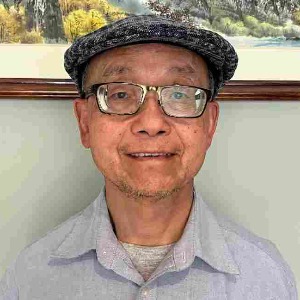
Zuchang Pei
Independent Researcher, Canada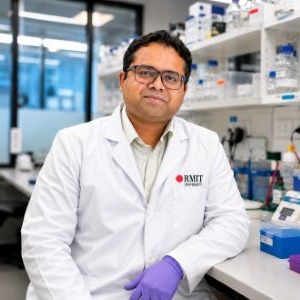
Md Monir Hossain
RMIT University, Australia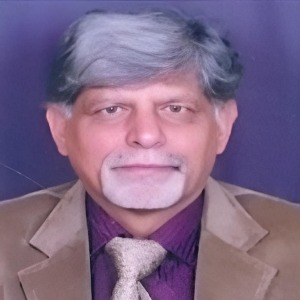
K R Aneja
Kurukshetra University, India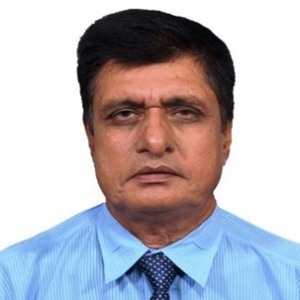
Santosh Kumar Mishra
S.N.D.T. Women's University (Retired), IndiaSubmit your abstract Today


Title : Why do 90% of the drugs fail in development? An analysis of 82+ submissions; and a case study of immunotherapy
Narendra Chirmule, Indian Institute of Technology (IIT), India
Title : Eliminating implant failure in humans with nano chemistry: 45,000 cases and counting
Thomas J Webster, Brown University, United States
Title : Evaluating cell compatibility and subcutaneous host response of silk fibroin–chitosan plug composites as potential resorbable implants
Luis Jesus Villarreal Gomez, Universidad Autonoma de Baja California, Mexico
Title : Steps and strides: Cross-species insights into movement and injury
Babak Faramarzi, Western University of Health Sciences, United States
Title : Ancient wisdom, modern science: Biotech services transforming ayurveda
Prashant Sakharam Bhokardankar, Datta Meghe Ayurvedic Medical College Hospital and Research Centre, India
Title : Scientist’s computational lawyer
Julia Sidorova, Instituto Carlos III de Salud (CIBER-EHD), Spain