
6th Edition of Euro-Global Conference on Biotechnology and Bioengineering
September 28-30 | Hybrid Event

Tissue Engineering and Regenerative Medicine
Tissue Engineering and Regenerative Medicine represent groundbreaking fields at the intersection of biology, engineering, and medicine, aimed at restoring, maintaining, or enhancing tissue and organ function. Tissue engineering involves the manipulation of cells, biomaterials, and biochemical factors to create functional tissue substitutes that can regenerate, repair, or replace damaged or diseased tissues. Regenerative medicine, on the other hand, focuses on stimulating the body's own repair mechanisms to heal tissues or organs that have been damaged by injury, disease, or aging. These fields offer promising solutions to a wide range of medical challenges, including organ failure, tissue loss, and degenerative diseases. By harnessing the body's natural regenerative processes and combining them with advances in materials science, biotechnology, and bioengineering, researchers can develop innovative therapies and treatments. From engineering tissues for transplantation to designing biomaterial scaffolds that promote tissue regeneration, the possibilities are vast. One key aspect of tissue engineering and regenerative medicine is the use of stem cells, which have the remarkable ability to differentiate into various cell types. Stem cell-based therapies hold great potential for repairing and regenerating damaged tissues and organs. Additionally, advances in gene editing technologies, such as CRISPR-Cas9, are enabling researchers to precisely modify the genetic makeup of cells, further enhancing their therapeutic potential. Furthermore, the development of biocompatible materials, such as hydrogels, scaffolds, and bioinks, is crucial for creating three-dimensional structures that mimic the complex architecture of native tissues. These materials provide mechanical support and biochemical cues to guide cell growth and tissue formation.
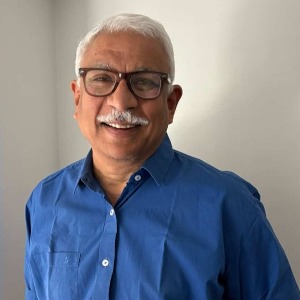
Narendra Chirmule
Indian Institute of Technology (IIT), India
Thomas J Webster
Brown University, United States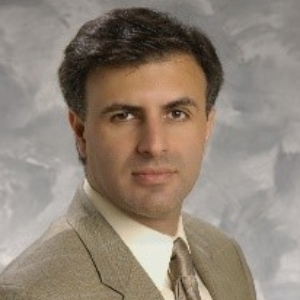
Babak Faramarzi
Western University of Health Sciences, United States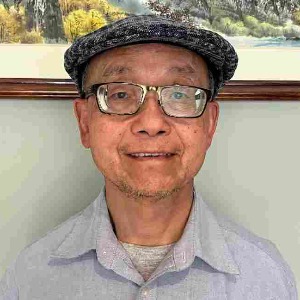
Zuchang Pei
Independent Researcher, Canada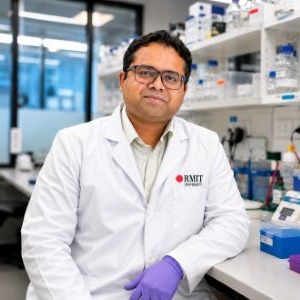
Md Monir Hossain
RMIT University, Australia
K R Aneja
Kurukshetra University, India
Santosh Kumar Mishra
S.N.D.T. Women's University (Retired), IndiaSubmit your abstract Today


Title : Why do 90% of the drugs fail in development? An analysis of 82+ submissions; and a case study of immunotherapy
Narendra Chirmule, Indian Institute of Technology (IIT), India
Title : Eliminating implant failure in humans with nano chemistry: 45,000 cases and counting
Thomas J Webster, Brown University, United States
Title : Evaluating cell compatibility and subcutaneous host response of silk fibroin–chitosan plug composites as potential resorbable implants
Luis Jesus Villarreal Gomez, Universidad Autonoma de Baja California, Mexico
Title : Steps and strides: Cross-species insights into movement and injury
Babak Faramarzi, Western University of Health Sciences, United States
Title : Ancient wisdom, modern science: Biotech services transforming ayurveda
Prashant Sakharam Bhokardankar, Datta Meghe Ayurvedic Medical College Hospital and Research Centre, India
Title : Scientist’s computational lawyer
Julia Sidorova, Instituto Carlos III de Salud (CIBER-EHD), Spain